
Scientists first, service provider second.

Founded in Barcelona in 2009 by clinicians and bioanalysts who wanted a CRO they would trust with their own molecules.

Abstract illustration of an interference pattern
Fig. 1Interference of two coherent wave sources
Studies delivered
150+
Phase I to IV
Countries with active sites
24
EU, US and APAC
Sponsors who return
96%
3-year average
Median database lock
18 days
After last patient visit

Scientific judgement, built into the operating model

Every study is led by a scientist with hands-on experience in the indication. They stay with the programme from protocol to final report, so decisions are made by people who understand the data.

  • One accountable scientific lead per programme
  • Risk-based monitoring, reviewed weekly
  • Raw data available to sponsors in real time
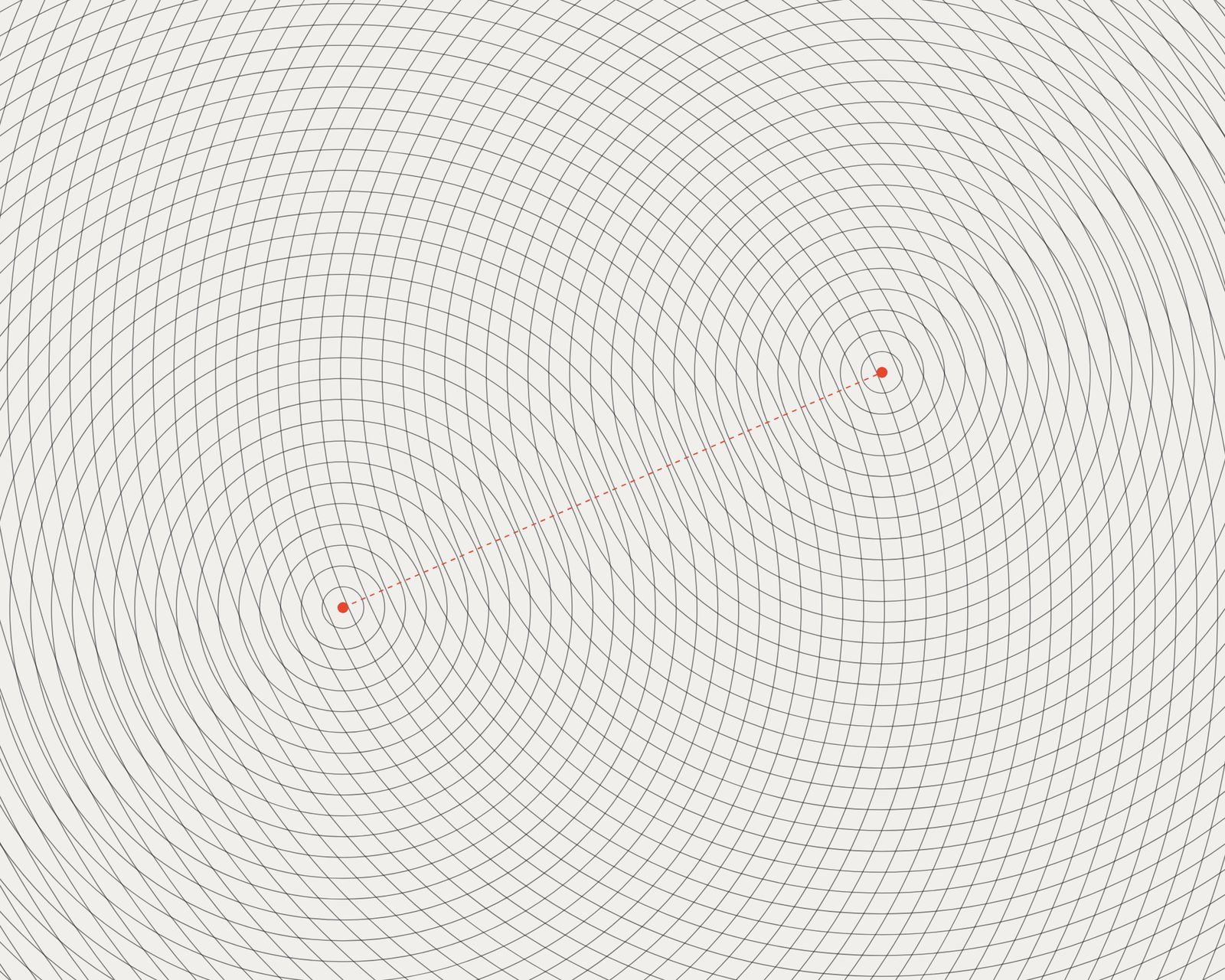
Fig. 2Interference pattern, two coherent sources

What guides the work

Four commitments we hold ourselves to on every programme, and that sponsors can audit us against.

  • Precision over speed

    We set timelines we can defend and flag risk early, rather than recover late.

  • Patient safety first

    Safety signals go to the medical monitor the same day, every time.

  • Shared ownership

    Sponsor and DM Lab teams work from one plan and one source of data.

  • Open data

    Sponsors see the same dashboards and raw exports our team does.

The scientific leads

Each lead has run studies in the indication they now oversee.

  • Elena Vidal, PhD

    Chief Scientific Officer

    Oncology

  • Marc Oliver, MD

    Medical Director

    Immunology

  • Priya Nair, PhD

    Head of Bioanalytics

    LC-MS/MS

  • Jonas Weber

    Head of Biostatistics

    Adaptive designs

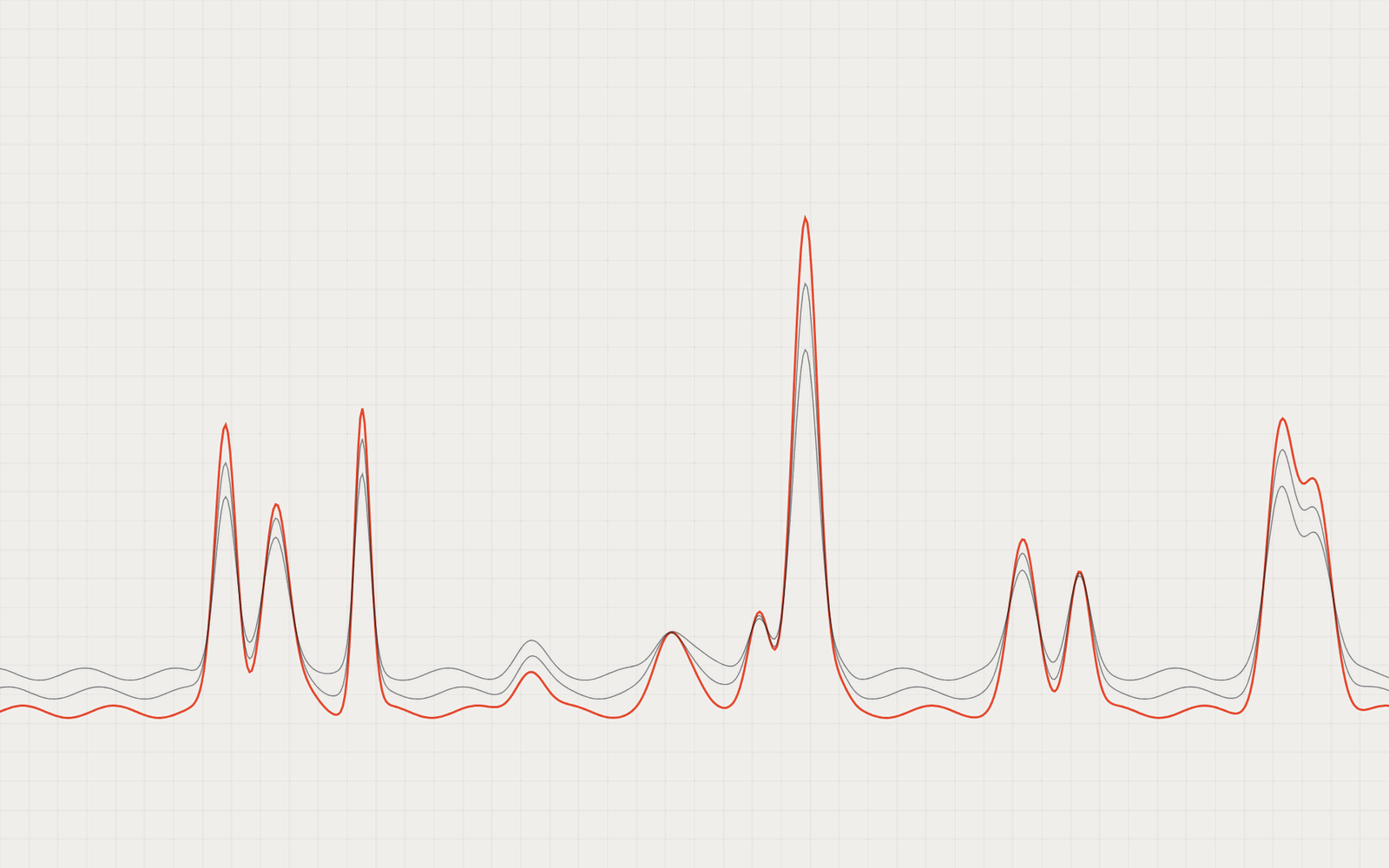
See how a bioanalytical run is set up

A four-minute walk through sample receipt, method validation and the checks that happen before any result leaves the lab.

Lower-impact trials, with no loss of evidence

Decentralised visits, local labs and paperless monitoring cut the footprint of a typical Phase II study by around a third.